
Table of Contents
- Why Cleaning Your Lash Extensions Really Matters?
- When to Clean Eyelash Extensions?
- How to Clean Eyelash Extensions at Home?
- What to Use (And What to Avoid) When Cleaning Lash Extensions?
- Troubleshooting Common Problems & Mistakes
- Aftercare Add-Ons to Make Your Set Last Longer
- When to See a Lash Tech or Eye Doctor
If you’ve gotten lash extensions recently, you’ll want to preserve your set for as long as possible. Learning how to clean your eyelash extensions is a big part of that.
After all, you’ve invested time and money in your lashes. Failure to clean them correctly can cause you to lose lashes, experience tangling or drooping, or develop eye irritation.
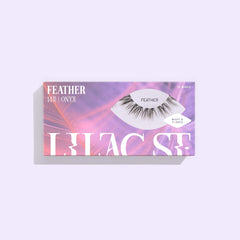
So whether you’re rocking a professionally applied set or some gorgeous Lilac St. DIY Lash Extensions, this guide will explain how to keep your lashes clean and intact.
We’ll cover every little aspect of proper cleansing, including what kinds of products you can use, what common mistakes to avoid, and a step-by-step cleaning guide. Let’s dive in.
Why Cleaning Your Lash Extensions Really Matters
Whether you choose professionally applied or DIY lash extensions, keeping things clean is a non-negotiable part of lash extension aftercare. Here’s why it matters:
Eye and Lid Health
Eyelash extensions are largely safe, with almost no side effects… But that’s only as long as you take great care of them.
Cleaning your lash extensions is a key part of that. Your natural lashes can collect debris, oils, mites, bacteria, and dead skin. Adding lash extensions only introduces more surfaces where these irritants can get trapped. The buildup can then lead to all sorts of health troubles, including:
- Blepharitis — eyelid inflammation and itchiness caused by mites, bacteria, or irritation from debris
- Chalazia — bumps on the lid caused by blocked meibomian glands
- Styes — infected bumps on the eyelid
- Dry eyes — a common side effect of blocked meibomian glands
Some of these common issues can lead to further complications, including lash loss. By simply cleaning your lash extensions on a regular basis, you go a long way towards preventing the buildup that can lead to these concerns.
Maintaining the Bond
Cleaning your lash extensions also helps increase their longevity. It prevents the oils and other debris from building up and weakening the lash adhesive, preventing premature extension lash loss.
Preserving Your Look
Buildup on your lash extensions also increases surface roughness, and actually generates friction. This means that dirty lashes will tangle more easily, which can lead to lash loss as well as a messy, chunky appearance.
Getting weighed down by buildup can also cause your lashes to droop. This takes away from the meticulous lash map your lash tech created, and makes your extensions seem sloppy and artificial. Regular cleaning preserves a fluffy and elegant lash set.
When to Clean Eyelash Extensions?
The time of day when you clean your eyelash extensions doesn’t matter, as long as it becomes part of your routine. For most people, it’s easiest to cleanse at night right before or after washing your face.
The First Few Hours
You will probably need to avoid water and cleansing for the first few hours after getting your lash extensions applied. The exact amount of time can vary depending on the brand of adhesive, so ask your technician to confirm.
With older lash adhesives, you would have had to wait at least a day or two before you could wash your lashes. Today, you can often cleanse your lashes immediately after the application.
It’s usually a good idea to clean your lash extensions as soon as you can after an application, especially if your eyes feel sensitive or watery.
If you’re wearing DIY lash extensions, there are no wait times.
Daily Maintenance Routine
Once it's okay to get your lashes wet, it’s best to clean your lashes as often as you wash your face. For most people, that means once a day, ideally before bed. If your eyes tend to feel a little itchy or rough when you wake up in the morning, cleaning twice a day is also acceptable.
Specific Circumstances
You may want to clean your lash extensions more frequently if you participate in activities that make you sweat or get you dirty, like exercise, swimming, or working in the garden or garage.
How to Clean Eyelash Extensions at Home?
Figuring out how to clean lash extensions can be a little intimidating since they’re so delicate. It’s natural to worry about losing your lashes if you clean them incorrectly. Here’s how to do it the right way.
Remove Makeup Gently
Eyelash extension cleansers are often a little too gentle to remove face or eye makeup.
We recommend removing your makeup before cleaning your lashes. This will make it easier to then clean the lashes themselves, without accidentally getting makeup residue mixed in.
We recommend you use one of the following products to remove your makeup:
- Dedicated face cleanser
- Oil-free makeup remover
- Makeup removing cloth
- Micellar water
Just be careful to avoid your lashes when you remove your makeup. If you’re wearing eyeliner, use a cotton swab to remove it without tugging on the lashes. To see how it’s done, check out our face cleansing video.
Choose the Right Cleanser & Tools
Eyelash extensions cannot be cleaned with any old cleanser. Many facial cleansers and makeup removers contain oils or strong surfactants that can break down the adhesive used to keep the extensions in place. Cleansing with the wrong remover can lead to losing extensions more quickly.
As we explain further below, the best cleanser for lash extensions would be either a dedicated lash extension cleanser, baby shampoo, or an oil-free, gentle face cleanser.
Cleansing With a Brush
Most lash cleansers also come with a small, round brush designed specifically to help you clean your lashes. A brush makes the lash cleaning a lot easier, and prevents you from accidentally pulling out lashes while cleaning. If you don’t have a brush, you can use your ring finger instead, but be very careful to avoid pulling on your lashes.
In the palm of your hand, pour a tiny amount of the lash cleanser. Then, add a couple of drops of water. Swirl the brush or finger around in the cleanser to foam it up a little.
Then, with the brush, gently rub the cleanser over your lashes, working your way from the lashline downwards. If you don’t have a brush, you can use your ring finger, but watch your pressure.
It should be a given, but make sure to keep your eyes closed when you do this.
Rinse & Dry Properly
Once you’ve finished cleansing one eye, gently splash your eye with cool or lukewarm water to remove the cleanser residue. Then, repeat the cleansing process on the other eye.
Once both eyes are clean, you can gently pat the area around the eyes with an ultra-soft towel.
Don’t touch your lashes with the towel — instead, just let them air dry.
Detangle to Finish
Once your lashes are dry, brush them gently with a clean spoolie brush, starting at the roots and working your way to the tips. This will help detangle them, which helps keep them in place for longer, and it also makes sure they look nice and fluffy.
What to Use (And What to Avoid) When Cleaning Lash Extensions
Using the wrong cleanser can weaken your lash glue, so using the right product is key. Here are our recommendations.
|
Item/Method |
Category |
Key Details |
|
Lash Shampoo |
Use (Best Option) |
Specifically designed for lash extensions. Formulated to be gentle, non-stinging, and non-irritating. Cleansing agents won't weaken the lash adhesive. Often comes pre-foamed to minimize rubbing. |
|
Gentle Cleanser |
Use (Alternative) |
Must be entirely oil-free and advertised as safe for the eyes. Gel and foam cleansers are best. Avoid anything strong enough to remove waterproof makeup, as this also breaks down glue. Avoid: creamy, milky, oily, balm, or oil cleansers. |
|
Baby Shampoo |
Use (Alternative) |
Formulated with very mild cleansing agents and a slightly higher pH to prevent stinging. It can be diluted with water and pre-foamed for extra gentleness. |
|
Lash Brush |
Tool to Use |
Round, ultra-soft brush made of synthetic fibers. Ensures the cleaning product gets between every extension. Soft bristles prevent pulling or snagging. |
|
Micellar Water |
Use (Conditional/Controversial) |
Must be oil-free. Avoid formulas designed to remove waterproof makeup (too strong). Must be applied with a lash brush (or clean, fluffy eye makeup brush); do not use a cotton pad due to friction/pulling. |
|
Oil-Based Cleansers & Makeup Removers |
Avoid |
Oils break down the glue that keeps the lash extensions intact, leading to lash loss. This includes oil-based skincare products. |
|
Other Oily Ingredients |
Avoid |
Ingredients like fatty acids, caprylic triglyceride, and most silicones may also weaken the adhesive bond, similar to oils. |
|
Soaps |
Avoid |
Made of oils saponified with alkaline lye, resulting in a very high pH that can irritate your eyes and potentially weaken the adhesive bond. |
|
Cotton Pads & Rough Towels |
Avoid |
Abrasive materials that can pull on your lashes and remove the extensions. An ultra-soft brush should be used instead. |
|
Hot Water and Steam |
Avoid |
Heat can disrupt your lash extension adhesive. Use cool or lukewarm water when washing lashes and avoid very hot, steaming showers. |
What to Use
Lash Shampoo
Your best bet is a cleanser designed specifically for extensions, like the Lilac St Lash Shampoo.
This type of cleanser is formulated to cleanse the eye area gently, without stinging the eyes or irritating the skin. It comes out of the bottle pre-foamed, which minimizes the need for excess rubbing and helps keep the eyes feeling good.
The cleansing agents in these types of lash cleansers are chosen specifically with extensions in mind, so they won’t weaken your lash adhesive.
Gentle Cleanser
If you don’t have a lash shampoo on hand, you can also clean your eyelash extensions with a gentle facial cleanser that’s advertised as safe for the eyes.
The key is to use an entirely oil-free cleanser. It shouldn’t be so strong that it can remove waterproof makeup, since that also means it’ll break down the glue.
Gel and foam cleansers are best. Make sure to avoid creamy, milky, or oily cleansers. Anything advertised as a “balm cleanser” or “oil cleanser” is off-limits.
Baby Shampoo
Baby shampoo can also work well as an eyelash extension cleanser. Baby shampoo is usually formulated with very mild cleansing agents and a slightly higher pH, which prevents it from stinging the eyes. While we don’t recommend using baby shampoo on the rest of your face (your face prefers a lower pH), it’s a nice alternative for cleaning your extensions.
To make things even gentler, you can mix a few drops of baby shampoo with water in a cup and pre-foam it. This will dilute the shampoo, which will make it more gentle on your eyes and skin.
Lash Brush
A lash cleaning brush is one of the most useful tools for cleaning your eyelash extensions. Similar to a makeup brush, this lash cleaning tool is typically a round, ultra-soft brush made of synthetic fibers.
The bristles ensure that the lash cleaning product you use gets in between every single extension lash, but they’re very soft and pliant to prevent pulling or tugging on the lashes.
The best lash cleaning brushes also feature spoolies on the other hand, which you can use to keep your lash extensions detangled.
Choose a Complete Set
If you’re brand new to lash extensions, we can save you a bit of time with the Lilac Lash Bath kit. This set includes everything you need to cleanse your lash extensions properly, whether they’re professionally applied or DIY. It includes a lash shampoo, dual-sided lash cleansing brush with a spoolie, and an ultra-soft makeup cleansing cloth to remove makeup or dry your extensions with minimal tugging.
What to Avoid
Oil-Based Cleansers & Makeup Removers
Oils, whether from products or your face, can break down the glue that keeps your lash extensions intact.
While wearing extensions, you’ll want to avoid oil-based cleansers and makeup removers, as well as any oil-based skincare. Always read the ingredient list thoroughly before using something near your extensions.
Other Oily Ingredients
In addition to oil-based cleansers, you’ll also want to avoid cleansers with greasy ingredients that aren’t necessarily oils, like fatty acids, caprylic triglyceride, and most silicones. Like oil, these substances may also weaken the adhesive bond and cause you to lose lashes. If you have any doubt about a cleanser, don’t risk using it.
Soaps
Soaps, even if advertised for the face, are off limits near the lash line. Made of oils saponified with alkaline lye, they have a very high pH that can irritate your eyes and potentially weaken the adhesive bond keeping your lashes intact.
Cotton Pads & Rough Towels
Cotton pads, as well as other abrasives, can pull on your lashes and remove the extensions. Instead, it’s better to use an ultra-soft brush when cleaning the lashes and lashline themselves.
Hot Water and Steam
Hot water can also disrupt your lash extension adhesive, so it's best to use cool or lukewarm water when washing your lash extensions. This also applies to the shower, where it's best not to let the water get so hot that it steams.
Controversial: Can You Use Micellar Water?
Using micellar water with lash extensions is a controversial topic. Some lash technicians recommend it while others suggest you stay away. If you choose the right formula and use it correctly, it’s okay to clean your lashes with micellar water.
Best micellar water for eyelash extensions
The best micellar water for eyelash extensions will always be oil-free. Micellar waters designed specifically to remove waterproof makeup are sometimes too strong, and they can end up leading to lash loss. Here are some micellar waters you can use safely for cleaning your lashes:
- Garnier SkinActive Micellar Cleansing Water is a nice, affordable choice. The pH on this micellar formula is a little higher than normal, so it’s less likely to sting the eyes (although it can be an issue with the rest of the face.)
- La Roche-Posay Micellar Cleansing Water Ultra and Makeup Remover is also a great, gentle option that won’t irritate the eyes.
- Lancôme Eau Micellaire is a more luxurious micellar water with a rose scent. If you like to feel pampered and don’t mind a fragrance, it’s a great choice.
How to clean eyelash extensions with micellar water
Figuring out how to clean eyelash extensions with micellar water can be a little troublesome. You cannot use a cotton pad as you normally would to remove makeup, because the friction is guaranteed to pull off some of your extensions.
Instead, we recommend using micellar water just like you would a regular cleanser. The only difference is that it won’t foam up.
Simply dip your lash brush (or any clean, fluffy eye makeup brush) in a bit of the micellar water. Then, use the brush to gently brush the micellar water over your extensions. Finally, rinse your eyes with cool water.

Troubleshooting Common Problems & Mistakes
Too Much Friction When Cleansing
Too much rubbing or pulling when cleansing can lead to losing natural lashes, along with the extension lashes attached to them. Using a cleansing brush with gentle downward and circular motions puts the least amount of pressure, but even if you're using your fingers, keeping pressure minimal is key.
Avoiding Direct Water Pressure
One surprisingly common mistake is putting your face directly under the spray when taking a shower. The water pressure is often too strong to be safe for your lash extensions. Instead, when rinsing your face or eyes, keep it gentle — use your hands to collect a bit of water, and then splash it on your face.
Eye Makeup and Removal
Removing eye makeup can be difficult when you have eyelash extensions — especially eyeliner and mascara. For these reasons, we actually recommend you avoid them altogether when you have extensions on.
If you do feel the need to wear a bit of makeup, opt for a washable, easy-to-remove eyeliner and mascara designed specifically for lash extensions.
Then, to remove them, micellar water or a water-based makeup remover is your best bet. Use a makeup remover cloth instead of cotton pads to wipe away the makeup. Finish off by cleansing your lashes.
Lash Cleansing and Tool Hygiene
Just as it's so important to keep your lashes clean, it's also important that the tools you use for cleaning are kept hygienic. Clean your lash brush after every use, and your lash spoolie at least once a week.
Cleaning your lash cleansing brush is similar to washing a makeup brush:
- Squeeze a small amount of shampoo or hand soap in the palm of your hand
- Dampen the brush and then swirl it in the shampoo to create a lather
- Rinse the brush completely clean
- Use a towel to wring out the excess moisture
- Leave it on a towel in a safe spot to finish air drying
To clean your spoolie, run it under the tap, and then rub it with a bit of soap. Rinse it clean and leave it to air dry.
Stinging Eyes
Another common problem when cleaning lash extensions is getting product in your eyes and experiencing stinging.
In general, do your best to use a very small amount of lash cleanser and to keep your eyes closed when washing the extensions. This will help prevent cleanser from getting in your eyes.
If your eyes do sting a little after you've cleansed, rinse them thoroughly with cool water. Speak to a medical professional if you experience any prolonged discomfort.
Aftercare Add-Ons to Make Your Set Last Longer
Cleansing is just one part of your lash extension aftercare. Here are a few more tips that'll help you keep your lash extensions looking great for as long as possible.
Make Sure Your Eye Care Routine Is Oil-Free
After cleansing your lash extensions, you’ll probably want to add some moisture back to the skin around your eyes. However, when you have lash extensions, any product that comes in contact with your eyes should be oil-free. That includes cleansers, eye serums, creams, and moisturizers. Lighter products contain fewer emollients that can break down lash extension adhesive.
Brush and Detangle Regularly
We’ve already touched on this, but it bears repeating: brushing your lash extensions is so important! Tangled lash extensions don’t look great, but that’s only a small part of the reason. When lashes get tangled, the tangle pulls and puts stress on the glue, which can lead to lash loss. It’s so important that you brush your lashes both in the morning and at night, to detangle for that fluffy look and longer-lasting extensions.
Use a Protective Sealant
A lash extension sealant like the Lilac Lash Crystal Coat can be incredibly useful after cleansing. Such products create a seal over the lash glue to keep it strong, and they can also provide a really nice sheen to your lashes. You can also purchase a sealant from your lash specialist.
Use a Silk Pillowcase
Lash extensions, whether professional or DIY, are designed to be slept in. However, most people still experience the most lash loss at night, usually because they’re using a cotton pillowcase.
The smoother your pillowcase, the less it’ll pull at your lashes, causing them to come off. While you should generally try to sleep on your back, a silk or satin pillowcase will also help if you turn over in your sleep.
Try a 3D Sleep Mask
If you’re the kind of person who often tosses and turns in your sleep, a 3D sleep mask for lash extensions is a must. The domed mask prevents anything from coming in contact with and pulling on your lashes, and it also blocks out light for a great night of sleep.
When to See a Lash Tech or Eye Doctor
Cleansing your lash extensions is part of maintaining eye health and should help prevent complications. That said, if any of the following occur, you may need to see a professional.
Signs of Lash Health Issues
In cases of failure to cleanse, debris and dust that collect at the lash line can cause blepharitis, which is a type of inflammation and irritation on the eyelid and along the lash line. It can develop into something more harmful.
Schedule an appointment with your doctor if any of the following occur for several days in a row, and don't respond to over-the-counter treatment:
- Persistent redness of the eyes or lid
- Stinging or itchiness
- Vision problems
- Dryness or flakiness around the eyes
When to Visit Your Lash Tech Again
If you're trying to maintain professional extensions, you'll want to visit your lash stylist for a refill while at least 40% of your extension lashes are still intact. Typically, that translates into a new appointment 3-4 weeks after your initial lash extension application..
If you notice that you're losing extension lashes at a more rapid rate, call your tech for advice. They might review the products you're using and your cleansing and aftercare habits to see if anything is causing lash shedding.
If you've noticed that your lash extensions are tangling, clumping, or drooping, your lash tech can help here as well. They can treat you to a professional lash bath and review what is causing the issue.
FAQ
When can I get my lashes wet after an application?
Nowadays, you can usually get your lashes wet within 2 hours of your lash extension application. With older lash extension adhesives, you need to wait at least 48 hours. Always ask your lash tech, as the exact amount of time depends on the type of adhesive they used.
How often should I clean my lashes?
Clean your lashes at least once a day, usually around the same time as washing your face.
Is it true I can use makeup remover to clean my extensions?
No. Makeup removers typically contain ingredients that break down lash extension adhesives, so using them can lead to premature lash loss.
Is it safe to use cotton pads to clean extensions?
No. Cotton pads are too abrasive to use on lash extensions.
Can I wear mascara with extensions?
It’s best to avoid wearing mascara with eyelash extensions, although there are some specialized bonders and easy-to-remove formulas that might be okay.
How can I fix tangles?
The best way to fix tangled or stuck-together lash extensions is to wait until your extensions are dry, and then use a clean lash spoolie.
Final Thoughts
That’s all there is to it! While learning how to clean lash extensions may feel a little weird at first, it’s actually pretty simple as long as you remember these basics:
- It’s very important to clean your lash extensions, both to keep them intact for longer as well as to keep your eyes safe.
- Cleaning the lashes has to be a very gentle process done either with your ring finger or a clean brush.
- There are a few types of products you can use to clean your eyelash extensions. These include lash extension cleansers, gentle foaming face cleansers, baby shampoo, and micellar water.
- The most important thing is to choose an eye-safe product that’s totally oil-free.
- The rest of the time, you’ll want to avoid any friction against your eye area from cotton pads or pillowcases.
- There are a few other ways to keep your lashes intact for longer. They include avoiding mascara, using a lash sealant, and brushing your lashes regularly.
All of these tips on how to clean your eyelash extensions apply to both professional extensions, as well as DIY ones like our gorgeous Lilac St. clusters.
- Eyelash Extensions Aftercare: A Complete "How-To" Guide
- How To Take Care Of Eyelash Extensions?
- How To Clean Eyelash Extensions?
- How To Wash Eyelash Extensions?
- How To Remove Eyelash Glue? 4 Easy Steps
- How To Make Lash Extensions Last Longer?
- Can You Swim With Eyelash Extensions?
- How To Shower With Eyelash Extensions? Useful Tips And Aftercare
- How To Wash Your Face With Eyelash Extensions? 6 Easy Steps
- How To Sleep With Eyelash Extensions? 10 Proven Tips And Tricks