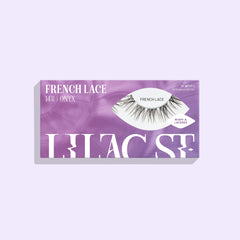
If you’re researching lash extensions or falsies, it’s probably because you want fuller, longer lashes. It’s no surprise that one of the biggest concerns about these lash enhancements is whether they harm natural lashes. If you’ve been wondering if your favorite pair of fake lashes will ruin your real ones, you’re in the right place.
Table of Contents
Article at a glance
- In this article, we discuss the potential damage extensions and fake lashes can cause to your real lashes. We also discuss other risks and how to prevent them.
- Fake lashes may cause a bit of damage to the natural lashes, but it’s rare. Usually, the damage is caused by incorrect usage. The lash fall is usually reversible.
- Lash extensions are more likely to have harmful effects on lashes and eyes. These are usually a result of allergies or of poor training.
- As long as you stick to good hygiene practices, reputable salons, consistent aftercare, and proper removal, your real lashes will keep on looking their best!
Will Fake Lashes Damage Real Lashes?
False eyelashes are incredibly popular. They’re a temporary eyelash enhancement that sticks to the lash line with latex or acrylate-based adhesive. But can fake lashes ruin your real ones?
The good news is that false lashes, when used properly, won’t damage your eyelashes at all! It’s only when you over-apply glue or pull the lashes off aggressively, that some lashes may get caught and pulled out.
Never pull your lashes off when it’s time to remove them. Instead, peel them off gently with the help of makeup remover and a cotton swab.
As long as you don’t use too much adhesive, your natural lashes will remain perfectly intact. If you use falsies instead of mascara, they might even help keep your lashes healthier!
Some sources theorize that the weight of the falsies over your real lashes may have repercussions. But it’s a theory, and as many avid falsie-wearers will attest (especially the ones using our Natural Lashes), it doesn’t seem to be a real issue.
Will Lash Extensions Ruin Real Lashes?
As any eyelash technician will tell you, one of the most frequent questions they hear is whether extensions damage real lashes. The answer, depending on who you ask, is either “it depends” or “maybe.”
Eyelash loss is most likely to occur during incorrect removal. If you attempt to remove your extensions by yourself, the risk of pulling on your natural lashes is higher, and you’re likely to lose quite a few.
There hasn’t been any research on the impact of eyelash extensions on natural lashes. Some technicians hypothesize that after removal, the lashes seem more sparse because the client has gotten used to the voluminous extensions. Once the extensions are gone, the difference can seem stark.
There are some theories behind how extensions could potentially damage lashes, but they’re not proven. It’s possible that the weight of the extensions puts stress on the lashes and temporarily inhibits their growth, especially with voluminous styles. It’s also possible that oil and debris buildup from improper cleaning can damage the hair follicle. Whether these issues are significant enough to cause lash fall is entirely unknown.
The good news is that even if the extensions slightly damage your lashes, they will grow back. Human eyelashes go through a regular growth cycle. If you feel like you lost more lashes than normal, they’ll replace themselves within a few months.
The only long-term risk to your lashes comes if you experience a skin allergy or infection. This can damage your follicles, and inhibit your lash growth in the future. We discuss this in more detail below.
What About DIY Lash Clusters?
DIY lash clusters sit somewhere between strip lashes and professional extensions, and they've become a popular alternative because they last longer than strips but don't require a salon appointment. The damage profile is also different from both.
Clusters are applied below the lash line rather than on top of it (the way strip lashes sit) or directly onto each natural lash (the way extensions are applied). This means clusters put less weight on your natural lashes than either format, and they don't bond to individual lashes the way extensions do. For most people, that translates to a lower day-to-day damage risk.
The main risks with clusters come down to application and removal. If you apply them too close to the lash line or use too much adhesive, you can catch some of your natural lashes in the bond. When that happens, removal pulls those lashes out with the cluster. The fix is to apply slightly below the lash line and to always use a proper bond breaker (never pull) when it's time to take them off.
Hygiene matters too. Because clusters can stay on for several days, dirt and makeup can build up at the base if you don't gently cleanse the lash line. A lash cleanser or diluted no-tears shampoo on a soft brush keeps the area clean and reduces the risk of irritation or styes
Other Risks Associated With Different Types of Eyelashes
There are a few more risks to consider when it comes to falsies and eyelash extensions.
False Eyelashes
As with most eye makeup products, there are some health risks associated with wearing false eyelashes. These risks are usually pretty easy to mitigate with a bit of research and good hygiene!
The two main risks from using falsies are allergic reactions and infection. Allergies are usually caused by lash adhesives, especially when they’re made of latex. It’s also possible to be allergic to latex-free glues, although it’s less common.

Allergies tend to appear as mild irritation along the lash line, although it’s also possible to experience more severe reactions.
Finally, if you borrow a friend’s lashes, or fail to clean your falsies thoroughly between uses, you’ll be at risk of an eye infection. This can have long-term repercussions on your eye health.
Eyelash Extensions
Eyelash extensions pose slightly more risk than false eyelashes. Because they’re a little riskier, it’s not surprising that they can only be done by highly-trained professionals.
The most common risk of eyelash extensions is an allergic reaction to the glue, which contains cyanoacrylate. This kind of reaction is usually mild, but in severe cases, it can lead to significant pain, redness, and swelling. It may even cause severe eye or skin issues, so consider doing a patch test with the adhesive before getting extensions done.
However, allergies are unpredictable. You may not have any reaction the first few times you get extensions, despite being allergic. You’re more likely to experience a reaction if the glue comes in contact with your skin. This is pretty rare, especially if your lash technician is very experienced.
Commercial lash adhesives, including the one produced by Lilac St., are made with gentler adhesives so they are slightly less likely to aggravate allergies.
There is also a risk of eye infection, especially if you go to a disreputable salon that doesn’t practice good hygiene.
Prevention Tips
If you want to keep your natural lashes looking fabulous, here are our tips for both falsies and eyelash extensions.
False Lashes
- Always patch test new lash glue on your forearm or behind your ear for a few days.
- Consider avoiding latex-based adhesives if you have sensitive skin.
- Never pull your lashes off at the end of the night. Instead, peel them off gently with the help of makeup remover and a cotton swab.
- In between uses, disinfect your false lashes with alcohol.
- To keep your lashes intact, skip the mascara when wearing falsies.
Extensions
- Spend your time researching and reading reviews, to make sure you choose a reputable lash technician or salon.
- Book a consultation a few days before, and ask to patch test the extension adhesive.
- Your first time, opt for a lightweight, classic look that won’t weigh your lashes down.
- Follow the aftercare instructions given by your lash technician, and keep your extensions clean and groomed and make them last longer.
- Never try to remove extensions at home. Always go back to your lash technician for proper lash extension removal.
- Take a break from lash extensions for a few weeks if you feel like your natural lashes are starting to look sparse.
During that break, a nourishing lash serum can support the recovery by conditioning the lashes you still have, and skipping heavy eye makeup (especially waterproof mascara) for a few weeks reduces additional friction while new lashes grow in. Most people notice their lash line looking healthier within 4 to 8 weeks of starting a recovery routine.
FAQs
Does sleeping in fake lashes damage your real lashes?
Yes, sleeping in fake lashes is one of the most common ways people end up damaging their natural lashes. When you toss and turn at night, your pillow rubs against the lash band, which puts friction and tugging on your natural lashes underneath. Lashes caught in the adhesive can be pulled out in the process, and the constant pressure on the lash line can weaken them over time. Strip lashes should always come off at the end of the night, and even longer-wear formats like DIY clusters last longer (and stay gentler on the lash line) when you sleep on a silk pillowcase to reduce friction.
Does wearing fake lashes every day damage your natural lashes?
The lashes themselves aren't really the problem; the cumulative impact of daily application and removal is. Each time you peel a lash strip off, you're putting a small amount of pull on the natural lashes beneath, even with gentle removal. Daily strips mean daily friction, and over weeks or months that friction adds up to thinning along the lash line. If you want to wear lashes most days, multi-day formats like DIY clusters are usually gentler because you're touching the lash line less often. Whatever format you wear, follow proper removal with an oil-based remover or bond breaker (never pull) to minimise stress on the lash line.
What does eyelash damage from fake lashes look like?
The most common signs that fake lashes have damaged your natural ones are visible thinning or sparseness along the lash line, lashes that look noticeably shorter than they used to be, breakage in the middle of the lash shaft (rather than natural shedding from the root), and slow regrowth in a particular spot, often where strips were applied or where extensions sat heaviest. You might also notice your lashes feeling brittle or your lash line looking irritated. If you see any of these signs, take a break from extensions or strip lashes, focus on gentle cleansing, and consider a conditioning lash serum to support recovery.
How long can you safely wear fake lashes?
It depends on the format. Strip lashes are designed for single-day wear and should always come off before bed. DIY cluster lashes can stay on for 3 to 7 days when applied and cared for properly, and some last longer with touch-ups. Professional lash extensions can last 4 to 6 weeks with regular refills. Wearing any fake lash beyond its intended timeline increases the risk of buildup, irritation, and damage to the natural lashes underneath, so it's always better to follow the recommended wear time for your specific format.
To Healthy Lashes
Both eyelash extensions and false lashes are pretty safe, even if they’re not fool-proof. Making sure that your fake lashes don’t ruin your real ones requires a bit of time and research. However, as long as you pay close attention to hygiene and potential allergies, we think your lashes will be just fine. Here’s to healthy, gorgeous lashes!