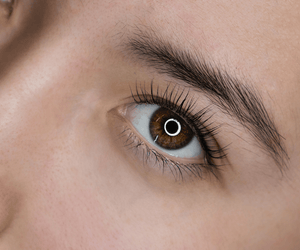
Exploring ways to amp up your lashes? If you’re shopping for DIY extensions or falsies, it’s important to understand that lash bond is not the same as lash glue. Lash bond is the adhesive used for applying DIY extension clusters, while lash glue is designed for false lashes.
The two differ quite a bit in their formulas, application, and wear time. This guide covers those differences in detail, so you can choose the option that’ll be right for you.

Table of Contents
- How Lash Bond and Lash Glue Work
- Key Differences Between Lash Bond and Lash Glue
- Quick Comparison Table
- Lash Glue vs Bond. Which One Should You Choose?
- Common Mistakes That Can Ruin Your Lash Application
- Final Thoughts
How Lash Bond and Lash Glue Work
From what they’re made of to how they work, here are the basics about lash glue and lash bond.
What Is Lash Bond?
Lash bond is a lightweight lash adhesive designed for DIY lash extensions and multiple days of wear. It’s formulated with a thinner, more spreadable texture, which allows for a more seamless under-lash application.
To use, lightly brush the lash bond over both the extension clusters and the natural lashes. Then, the clusters can easily adhere to the lashes from below, without touching the skin.
The result is a comfortable lash enhancement that stays in place for several days without reapplication.
What Is Lash Glue?
Lash glue is the temporary adhesive used to apply false eyelashes. It can be made of acrylates or latex dissolved in a liquid, and used for strip, cluster, and even individual lashes.
To use eyelash glue, a thin layer of the adhesive is usually brushed over the lash strip, allowed to become tacky, and then applied along the top lash line, above the natural lashes.
Eyelash glues are developed for a single day of wear, after which the false lashes and glue are meant to be removed.
The term lash glue is also used for professional eyelash extension adhesives, which are not safe to use at home with regular cluster or strip lashes. It’s important to check what type of lash glue you have before applying.
Is Lash Seal the Same as Lash Bond or Glue?
No. A lash seal is a product that can complement your lash bond, such as the Lilac St Crystal Coat. After a DIY lash extension application, the lash bond can sometimes still feel a little tacky. A lash seal is similar to clear mascara — it adds a protective layer over the DIY lash extensions and the lash bond, preventing any stickiness, adding a sheen, and increasing the longevity of your lash look.
Key Differences Between Lash Bond and Lash Glue
Formula
Lash glue formulas are typically either latex-based or acrylate-based, while lash bonds are almost always acrylate-based.
The fundamental difference lies in the strength of the bond each formula type creates. While the main adhesive agents can be the same, lash bonds are formulated with higher adhesive content and with supportive ingredients. The result is a stronger attachment and a more waterproof seal.
Wear Time
The biggest difference between lash bond and lash glue is wear time. Lash glue is designed for just one day of wear, while a lash bond can keep your extensions in place for several days. That means no need for daily reapplications, saving you time while ensuring your lashes always have that extra oomph.
It’s worth noting that different lash bonds offer different longevity than others.
For example, the Lilac St. Lock-It-Bond is designed with beginners in mind and offers a few days of wear. For those wanting the longest wear time possible, the Eternal Bond delivers much stronger adhesion, so while removal is tougher, it stays put for much longer.
Application Method
Another big difference between lash glue and lash bond is the application technique.
Lash glues are meant to adhere to the skin above the upper lash line. The glue goes on the thin band of the false lash, and getting a good seal without lifting can be difficult.
Lash bonds are designed to adhere to the lashes themselves for use in under-lash applications. You apply the lash bond to the lash clusters (and sometimes also to your natural lashes), and then press the clusters to the underside of your lashes. Applying the clusters takes a bit of practice, but the bond itself goes on easily.
Removal
You can probably guess — lash glue is easier to remove than lash bond. That’s by design.
Lash glue can come off pretty easily with makeup remover or oil-based cleanser. Allowing the remover to soak in a little loosens the bond, so the glue can slide off easily along with the false lashes.
Lash bond is best removed with a dedicated bond remover, which is designed to dissolve stronger adhesives while nourishing the lashes. Lilac St.’s Bond Breaker, for instance, contains argan oil, rosehip oil, squalane, and collagen extract to condition natural lashes during removal.
Comfort and Feel
Comfort is highly individual and depends more on the type of lashes than on the type of adhesive. That said, lash bond is often a more comfortable option compared to lash glue.
Because the lash bond is in a thin layer and to the lashes directly, there’s less risk of feeling the product or getting it in your eyes. There’s also a lower risk of irritation from the adhesive coming in contact with the skin.
Final Look and Finish
The final look mostly comes down to the false eyelash style rather than adhesives. That said, there are some small differences.
With lash bond, the underlash application techniques mean that the adhesive and lash band aren’t visible above the eyes. They blend better into the natural lash line. For those seeking a totally seamless or more subtle look, this makes lash bond and lash clusters the better choice.
On the other hand, false eyelash glue is often more visible above the upper lash line and often requires camouflaging or blending with makeup. For those who like a dramatic look, this isn’t a problem.
Lash Bond vs Glue Quick Comparison Table
While lash bond and lash glue are both adhesives for artificial lashes, they’re quite different. This comparison table will help you see that at a glance.
|
Feature |
Lash Glue (Traditional) |
Lash Bond (DIY Extensions) |
|
Purpose |
Temporary, single-day wear for strip or cluster lashes. |
Long-wear adhesive for DIY lash extensions. |
|
Application Method |
Applied to the lash band and placed on the skin above the natural lash line. |
Brushed onto natural lashes and clusters; applied underneath the lashes. |
|
Wear Time |
Single day (must be removed at night). |
Multi-day wear (typically 3–10 days). |
|
Flexibility |
Dries to a rubbery or firm finish on the eyelid. |
Thinner, more spreadable texture for a seamless seal. |
|
Comfort |
Slightly higher risk of skin irritation. The band can sometimes be felt on the lid. |
Generally more comfortable; no skin contact and a lightweight feel. |
|
Final Look |
Can be visible on top of the lid; often requires eyeliner to camouflage. |
Invisible under-lash placement for a natural, seamless finish. |
|
Removal |
Comes off easily with makeup remover or oil-based cleanser. |
Best removed with a dedicated bond remover (e.g., Lilac St. Bond Breaker). |
Which Lash Adhesive Fits Your Needs?
Best for Beginners
If you’re new to lashes, you’ll probably find lash glue and strip lashes easier to start with. The one-and-done application of strip lashes can be faster, and the lash glue is easier to remove if there are any mistakes.
That said, lash bond is simple enough that some lash beginners may still prefer it, especially those looking for a more long-lasting look. Just give yourself a little more time to practice the application technique.
Best for Long Wear
Lash bond is the best option for long-wear. It’s designed for several days of wear with a single application and is waterproof. If you’re exploring Lilac St.’s adhesive options, the Eternal Bond offers the longest wear time.
Best for Sensitive Eyes
Lash bond is often a better option for those with sensitive eyes, as it adheres to the lashes themselves without coming in contact with skin or eyes.
Take into account the type of sensitivity you have and any allergies. Consider doing a lash glue patch test before using any type of lash glue or bond.
Best for Daily Makeup Users
Lash bond is often the best option for daily makeup users, as it allows you to enjoy maximum lash enhancement every day without. One application can last multiple days in a row, so you can save time compared to using regular lash glue or mascara.
The only exception is if you like to change your lash style every day, in which case, false eyelash glue might be the better option.
Common Mistakes That Can Ruin Your Lash Application
- After brushing on your lash bond or glue, give it a few moments to dry down, or it may not become sufficiently tacky.
- Don’t apply too much adhesive, as this can make a mess or compromise the bond.
- Don’t use regular lash glue for DIY lashes or attempt to use lash bond for strip lashes.
- When using lash bond, don’t forget to apply a final sealing coat to take away tackiness and ensure longer wear
Final Thoughts
The differences between lash glue and lash bond come down to a few things:
- Lash bond offers multi-day wear vs one day with glue
- Lash bond’s underlash application looks more natural
- Lash bond is designed for clusters, which are applied piece-by-piece as opposed to a single strip
That means that lash bond is often the better option for those who prioritize longevity and a more subtle look, but strip lashes might be quicker to apply. As long as you take into account what’s right for you, you can’t go wrong with either option.