
Losing eyelashes can be upsetting, especially if it happens suddenly or in large quantities. Maybe your lashes fall off when you take off your makeup, or you’ve started seeing visible gaps in your lash line. You’re probably asking yourself: Why are my eyelashes falling out?
Our eyelashes frame our eyes, keeping them safe from debris and dust. They renew themselves regularly, so it’s normal to lose anywhere from 1 to 5 lashes every day. More than that, and it’s normal to be concerned.
Losing lashes can be a sign of a major underlying health condition, or it's just that you’re too rough with your lashes. In this post, we’ll cover the potential reasons eyelashes fall out so you can discover the underlying cause and fix the issue.
Table of Contents
- Is It Normal To Lose Eyelashes?
- How Many Eyelashes Do You Lose a Day? (Eyelash Growth Cycle Basics)
- Why You're Losing More Lashes Than Usual?
- How to Stop Eyelashes From Falling Out (What Actually Helps)
- When Should You See A Doctor About Lash Loss?
- Eyelashes Falling Out From One Eye (Or Spot): What It Can Mean?
Is It Normal To Lose Eyelashes?
Losing a few lashes per day is totally normal. The hair all over our bodies, including our lashes, has a life cycle. At the end of the life cycle, a hair or lash will fall off on its own, and a new one will start to grow in its place.
Lash loss stops normally when you consistently lose more than five lashes a day and start seeing visible thinning along your lash line. Other signs of concern include losing lashes from both eyes or experiencing additional symptoms.
How Many Eyelashes Do You Lose a Day? (Eyelash Growth Cycle Basics)
It’s normal to lose 1–5 lashes every day, simply as part of the natural eyelash growth and shedding cycle.
That cycle includes 3 phases: anagen (growth), catagen (transition, when growth stops), and telogen (rest, when the lashes are no longer securely attached to the follicle). Lashes may fall off more easily at any point in the telogen phase, but not always. Typically, they actually shed at the start of a new growth phase, when the new lash pushes the old lash out.
You should be concerned about lash loss if you notice any of the following:
- You’re consistently losing more than 5 lashes a day.
- Noticeable gaps in your lash line.
- You lose a lot of lashes all at once.
- You experience other symptoms in the eye area, like redness, discomfort, itchiness, crustiness, swelling, or vision problems.
Why You're Losing More Lashes Than Usual
There are so many potential reasons you might be losing eyelashes at an increased rate. Understanding why it’s happening is key to solving the issue, so here are all of the possible underlying causes:
Eye Makeup
The most common reason for lash loss is friction and pulling from makeup, especially during the mascara removal process. Research shows that the more often one wears mascara, the greater the likelihood of lash loss. According to the study, the greatest damage comes from trying to wash off waterproof mascaras with water.
Other practices, like rubbing the eyes while wearing mascara, pulling false eyelashes off without breaking down the adhesive, or using a lash curler incorrectly, can also be problematic.
Friction
Aside from makeup, other forms of friction can lead to lash loss. Anything that exerts pressure on your lashes may cause them to fall out prematurely. This includes sleeping on your stomach with your face pressed against the pillow, rubbing your eyes when tired, and more.
Breaking such habits can be difficult, but it’s worth the effort. Your lashes will recover quickly once the friction stops.
Blepharitis
Blepharitis is the medical term for eyelid inflammation. Its main symptoms are eyelid pain, itchiness, and crusting, often with some redness and swelling. Lash loss can also be one of its symptoms, either as a result of trauma to the lash follicles or because of pulling when you rub itchy eyes.
Blepharitis is usually chronic, but it can also occur temporarily as a reaction to external irritants or pathogens like bacterial overgrowth, mites, and more.
Most treatment includes washing the eyes and lashes regularly with gentle, eye-safe cleansers like the Lilac Lash Bath kit.
Other Eye or Skin Conditions
Many other health conditions impact the skin or eyes and may lead to the loss of eyelashes. This includes inflammatory skin conditions such as rosacea and styes that can impact the eyes or eyelids.
Certain autoimmune conditions cause skin inflammation, such as psoriasis and lupus. They may cause lash loss if the inflammation impacts the eye area. You’ll have other noticeable symptoms besides eyelash loss with any of these conditions.
Alopecia Areata
Alopecia areata is an autoimmune condition that may cause lashes to fall out. During a flare, the immune system attacks the hair or lash follicles, causing thinning, bald patches, or total bareness.
This condition can show up at any point in life. While the hair will often grow back within a year, hair loss can recur on and off for the rest of a person's life. There are a lot of treatments and medications that may help with the symptoms, but there is no known cure.
Major Hormonal Fluctuations
Hormones, especially our sex and thyroid hormones, play a big role in regulating the hair growth cycle. Major hormonal fluctuations can disrupt or change the process, forcing many of the lashes into the telogen (i.e., resting and shedding) phase all at once, leading to sudden and excessive hair and lash loss.
This is most common after pregnancy, during menopause, or after stopping medications that impact hormones. The hair and lashes normally resume normal function once the body finds its hormonal equilibrium. If it doesn’t, it could be a sign of a more severe endocrinological disorder.
Cancer Treatment
Those undergoing cancer treatments, and especially chemotherapy, commonly experience eyelash loss, along with loss of hair from the head and brows. Chemotherapy treatment works by attacking any growing cells, including the cells making hair in your lashes and hair follicles. Hair and lashes normally start to grow back within a few weeks post-treatment, although they might not have the same texture or color as they did prior to chemo.
Thyroid Disorders
Since thyroid hormones play a big role in supporting healthy hair growth, hair and lash loss are often associated with thyroid disorders.
Hypothyroidism (i.e., underproduction of thyroid hormones) is the most common thyroid disorder that’s associated with lash loss, but hyperthyroidism (i.e., overproduction of thyroid hormones) can also cause issues, as can other related health conditions like Hashimoto’s disease.
Once the underlying hormonal imbalance is treated, hair and lash growth will usually return to normal.
Eyelid Cancer
Lash loss can be a symptom of eyelid cancer, usually along with other visible changes to the lash line, such as discolored growths or lesions that won’t heal. Treatment is complex and requires doctors with multiple specialities. It’s important to seek medical care early since it becomes much tougher to treat as the disease progresses.
Nutritional Deficiencies
When your body is missing out on key nutrients, it can’t properly repair and renew itself, which can result in hair and lash thinning. Eyelash loss correlates most strongly with protein and biotin deficiencies.
Trichotillomania
Trichotillomania (or trich for short) is a mental health condition that leads to hair or lash pulling. It’s often accompanied by stress, anxiety, or obsessive-compulsive disorder. This condition makes it nearly impossible to resist the urge to pull out hair, often leading to bald patches or total eyelash loss. It’s very hard to deal with trichotillomania alone, so speak to your doctor about treatment.
Poor Lash Extension Application or Removal
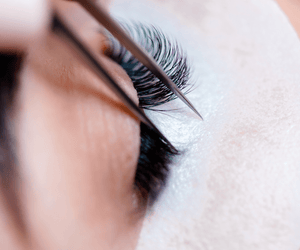
If you’re a fan of lash extensions, paying attention to signs that the application or removal is causing your lash loss is important. Improper application techniques, such as attaching one extension to several lashes, can pressure your natural lashes, causing them to fall off.
Removing your lash extensions incorrectly can also result in pulling out your natural lashes. Consider DIY lash extensions, which are easier to apply and remove by yourself at home.
Infections & Mites
Failing to keep your lashes clean can result in lash loss. Dust, mites, and bacteria can irritate the lash line, leading to inflammation or clogged glands (i.e., styes), as well as itchiness and crusting. They can result in damage to the lash follicles that cause lash loss.
This is why washing your lashes and removing makeup completely at the end of the day is important. It’s also key to pay attention to the expiry dates on your makeup products - especially mascara.
Stress
It's normal to experience lash shedding during periods of extreme stress (as well as regular hair loss). Stress spikes the cortisol levels in the body, pushing hair and lashes into the telogen phase. This is most likely to occur due to long-term stress over weeks or months.
Allergic or Contact Dermatitis
Allergic contact dermatitis can also lead to lash loss, especially if the reaction is to something near the lash line. They can lead to itchiness and rubbing, which can cause lashes to fall out and may also cause blepharitis.
These reactions can be a result of contact with cosmetics, especially eye makeup and lash glue, but they can also result from environmental allergies.
Medications That Can Trigger Shedding
The only medications that are commonly known to cause lash loss are chemotherapy drugs. However, there have been cases of general hair loss as a result of other medications, such as mood stabilizers, retinoids, certain anticoagulants, and more.
Speak to a medical professional if you think you may have medication-induced lash loss. Do not stop taking a prescribed medication without speaking to your doctor first.
Lifestyle (Sleek, Smoking, and Drugs)
Some lifestyle factors may make lash loss likelier. It can often occur as a result of recreational stimulants, which can cause telogen effluvium (i.e., force lashes into the rest phase). Lack of sleep damages the body’s self-renewal abilities. Smoking and alcohol consumption may also impair your health in ways that indirectly lead to lash loss.
How to Stop Eyelashes From Falling Out (What Actually Helps)
To grow your eyelashes back and prevent new lash loss, follow these tips.
Be Gentle With Makeup Removal (Especially Waterproof Products)
Take your time with makeup removal and be gentle. Use a dedicated remover for mascara, especially if it’s waterproof, and ensure your makeup dissolves completely before you start wiping. You can also switch to washable products, like tubing mascaras, which often come off more easily.
Pause Extensions & Falsies During Recovery
Taking a break from lash extensions and false lashes can help, since they are very hard to remove without pulling on the lashes.
Daily Lash Hygiene Routine (Simple + Consistent)
Keeping your lashes clean and nourished can help prevent lash mites, tangling, and irritation from leading to lash loss. Your lash hygiene routine should include gently cleansing your lashes, detangling them, and keeping the lash and eye area moisturized.
Fix the “Itchy Eye” Cycle
If itchiness is causing you to rub your eyes and lose lashes, then fixing the underlying cause is a must. Try to identify the underlying cause of the itching, and speak to a doctor about how to correct it. Some common solutions include medicated eye drops, ointments, and antihistamines.
Nutrition Check: Protein + Key Deficiencies
If you think your eyelashes are falling out from a vitamin deficiency, the first step is to understand what you’re missing. Increasing protein consumption and ensuring you’re eating a diverse diet is often enough. If it’s not, speak to a doctor or dietitian to see if supplements are right for you. There is little evidence that popular supplements like biotin for lashes actually work, and they are not one-size-fits-all.
Lash Serum: When It’s Worth Considering (and when to skip it)
Lash serums are an excellent option for prolonging the growth phase of the lash lifecycle. They can help your lashes grow longer and thicker after there’s already been some thinning or lash loss.
These serums typically include ingredients that support the follicles, but note that some may also cause unintended side effects like darkening of the skin or fat loss. Skip lash serum if you have signs of inflammation or irritation near the eye area.
When Should You See A Doctor About Lash Loss?
Some of the health conditions that lead to lash loss are quite severe. If your lashes are falling out, you may need to consult your doctor on an appropriate treatment plan. Here are some signs that your situation merits medical treatment:
- Major signs of eyelid or eye irritation, such as redness, itchiness, pain, crustiness, or flakiness.
- You’re losing hair from other body parts, such as your eyebrows or head.
- You’re losing eyelashes at a rapid rate without an obvious underlying cause.
- You are experiencing any other physical or mental health symptoms that may or may not be related.
- You think you’re losing eyelashes as a result of a medical condition.
Eyelashes Falling Out From One Eye (Or Spot): What It Can Mean
Eyelashes falling out from only one eye may suggest that the issue is localized, or else it would also affect the lashes on your other eye.
If you’re only missing eyelashes in one spot or you notice a gap in eyelashes on one side, it probably means that the underlying cause is one of the following:
- Blepharitis (i.e., inflammation) only in one eye.
- An irritant or allergic reaction to a product you’re using.
- Caused by mechanical trauma from makeup or sleeping on your side.
FAQ
How many eyelashes do you lose a day?
You typically lose 1–5 eyelashes per day, assuming nothing is causing increased lash loss.
Why are my eyelashes falling out all of a sudden?
There are many reasons why your eyelashes might be falling out all of a sudden, from autoimmune conditions to allergies to dietary issues.
Why are my eyelashes falling out on one eye?
When eyelashes only fall out from one eye, it means an issue is only affecting that one eye, but it can be anything from styes and blepharitis to rubbing from the pillow if you’re a side-sleeper.
Why are my eyelashes itchy?
Itchy eyelashes are usually the result of allergies, dry eyes, or other types of inflammation. You may want to speak to a doctor or ophthalmologist if you can’t identify the reason.
At what age do eyelashes stop growing?
Eyelash growth starts to slow down in your 30s, typically. Your lashes gradually grow more slowly and become sparser as you age — although they never stop growing completely.
Bottom Line
Wanting to know why your lashes are falling out makes perfect sense. There are so many different potential reasons. By understanding what’s going on with your lashes, you can fix the problem and grow your lashes back. In the case of underlying health issues, treating the real cause might give you a whole host of other health and beauty benefits.
Explore the world of eyelash growth with Lilac St. and learn more articles:
Understanding Eyelash Regrowth: Do Eyelashes Grow Back Naturally?
The Truth Revealed: Does Mascara Make Your Eyelashes Fall Out?
Discover Expert Tips on How to Grow Eyelashes.
Enhance Your Lashes: Is Vaseline Good for Eyelashes?
Coconut Oil for Eyelashes: Is it good? Does it help the eyelashes grow?
Unlock the Truth: Does Castor Oil Grow Eyelashes?
Does Crying Make Your Eyelashes Longer? Debunking the Myth.